Where does the dirt go when you steam clean?
When you steam clean, the dirt doesn't simply vanish into thin air-it undergoes a transformation and is removed through a combination of heat, moisture, and mechanical action. Here's a detailed breakdown of where the dirt ends up during the process:
First, steam's high temperature and moisture soften and loosen dirt. Steam cleaners heat water to temperatures typically between 200–300°F (93–149°C), creating pressurized vapor. This hot steam penetrates porous surfaces like carpets, upholstery, tile grout, or fabric, melting away grease, oils, and sticky residues that bind dirt to the material. Hardened debris, such as food crumbs, dust mites, or soap scum, becomes softer and easier to dislodge.
Next, the loosened dirt is suspended in the steam's moisture. As the steam cools slightly upon contact with the surface, it condenses into tiny water droplets. These droplets mix with the now-loose dirt, forming a dilute slurry or suspension. This mixture is no longer firmly attached to the surface, making it ready for removal.
The final step depends on the type of steam cleaner being used:
In extractor-style steam cleaners (common for carpets and upholstery), a built-in vacuum mechanism immediately suctions up the dirt-laden water. The dirty water is collected in a separate tank or reservoir, which you empty after cleaning. This is why these machines leave surfaces slightly damp but not soaking-most of the moisture, along with the dirt, is extracted.
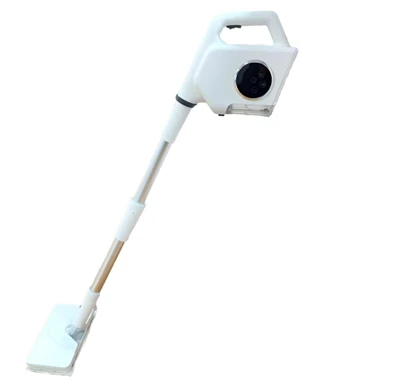
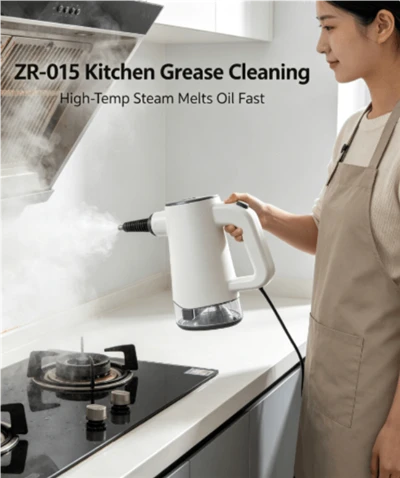
In handheld or mop-style steam cleaners, the dirt and water mixture may be wiped away manually. For example, when cleaning tile floors or countertops, you might use a microfiber pad or cloth attached to the steam mop. As you glide the mop over the surface, the pad absorbs the dirty water, trapping the dirt within its fibers. Afterward, you remove and wash the pad, disposing of the dirt in the laundry or trash.
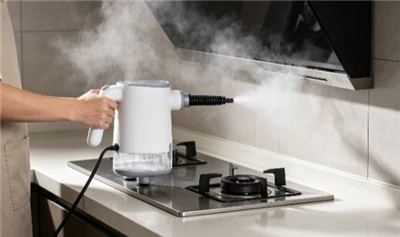
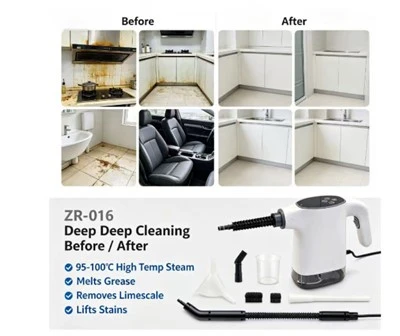
For surfaces like grout or tight crevices, some steam cleaners use focused jets of steam to blast dirt out. The loosened debris is either blown onto the surface, where it can be wiped away with a cloth, or, in some models, partially suctioned into a small collection chamber.


It's important to note that not all dirt is always fully removed in one pass. Stubborn stains or deeply embedded dirt may require multiple rounds of steaming and extraction. Additionally, very fine particles like dust might become airborne temporarily during cleaning, which is why some steam cleaners include HEPA filters to trap these particles and prevent them from re-circulating into the air.
In summary, the dirt goes from being stuck to the surface, to being loosened by steam, suspended in moisture, and finally collected in a waste tank, absorbed by a cleaning pad, or wiped away-leaving the surface sanitized and refreshed.